
Air hammer vs. rotary hammer is one of the most heated arguments in the power tool industry. The tool you use can have a great impact on the productivity, quality, and expense of your job, whether you’re drilling into thick concrete or chipping through metal. This comparison takes into consideration application, accuracy, and long-term performance in addition to raw power.
If you’re a contractor, mechanic, or hands-on homeowner, knowing which tool suits your needs could save you hours of labor and hundreds in expenses. This guide breaks down everything you need to know so you can confidently pick the right hammer for your next job.
Understanding the Basics: What is an Air Hammer?
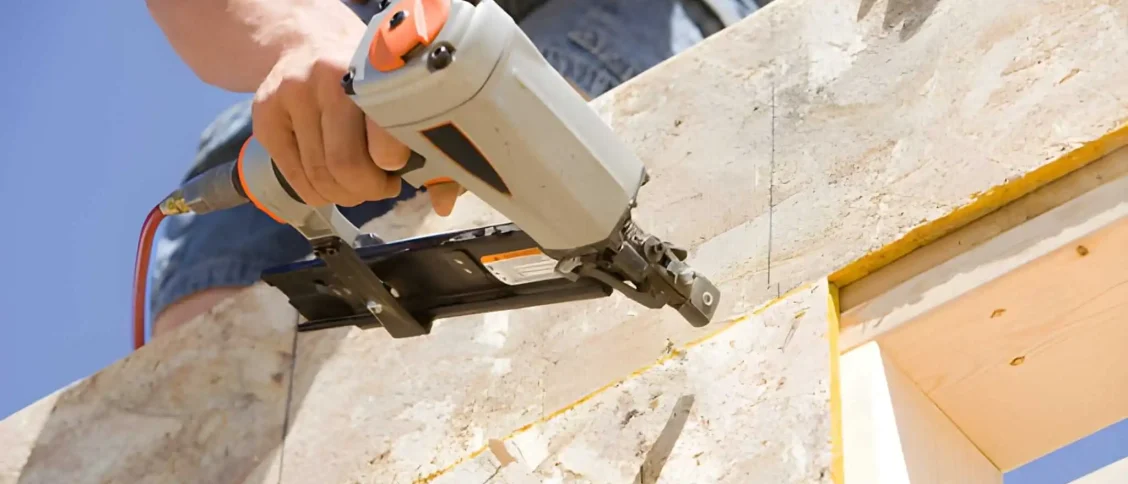
An air hammer, sometimes referred to as an air chisel, is a pneumatic power tool that is powered by compressed air. Because it creates rapid, repetitive strokes, it is an excellent choice for light demolition, chipping, and cutting tasks. Air hammers, which are small and light, are widely used in automotive and metalworking applications.
They can be used with various chisel attachments, including the following, and their typical speed falls between 2,000 and 5,000 blows per minute (BPM):
- Chisels that are cold
- Cutters for panels
- Breakers for spot welding
- Removers of rivets
Air hammers are a preferred tool because of their speed and responsiveness, especially in confined spaces.
When and Why Professionals Choose Air Hammers
Air hammers are often favored in:
- Auto repair shops (e.g., cutting off mufflers or removing ball joints)
- Metal fabrication
- Light demolition jobs
- Tile removal and sculpting
CTA: Need a fast, flexible tool? Shop Top-Rated Air Hammers Now
What is a Rotary Hammer, and How Does It Work?
A rotary hammer is an electrically driven tool designed for challenging masonry tasks. It is a powerful tool for drilling into the following because it combines a pounding motion with rotating drilling:
- Brick, stone, and reinforced concrete
- Footings and foundations
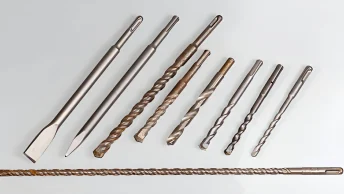
SDS (Slotted Drive Shaft) chucks, which are found in rotary hammers, enable the bits to oscillate as they rotate. Compared to air hammers, they are more suited for high-pressure work because of their impact energy rating, which is expressed in joules.
Rotary Hammers in Action: Ideal Scenarios
Professionals use rotary hammers when:
- Installing anchors in concrete
- Drilling rebar or steel mesh
- Performing structural demolition
- Drilling large-diameter holes (1/2” to 2”)
Key Differences Between Air Hammer vs Rotary Hammer
The key differences between the two are highlighted in the following head-to-head comparison:
| Feature | Air Hammer | Rotary Hammer |
| Power Source | Pneumatic (air compressor) | Electric (corded or cordless) |
| Primary Use | Chiseling, metal cutting | Concrete drilling, demolition |
| Weight | Lightweight (2–5 lbs) | Heavier (6–15+ lbs) |
| Speed | Very high BPM | Lower BPM, higher impact |
| Precision | High for light jobs | Best for heavy-duty work |
| Noise Level | Noisier (depends on compressor) | Quieter with cordless options |
| Portability | Depends on compressor size | Better with cordless models |
Power & Impact Force Comparison
The rotary hammer is the clear winner in terms of pure impact energy. The deeper, more concentrated force that rotary hammers deliver makes them perfect for breaking dense material, even if air hammers have a greater BPM.
Speed, Control, and Versatility
While rotary hammers are often bigger but designed for pure strength, air hammers provide more control in finer jobs. Consider rotary hammers to be sledgehammers and air hammers to be cutting instruments.
Performance Showdown: Which One Wins in Real-World Use?
Suppose you are renovating your bathroom. An air hammer works extremely well for removing tiles. However, the rotary hammer is an excellent tool for drilling anchor holes in concrete walls.
Both the tools are useful, and professionals frequently use both of them to carry out a range of tasks.
Pros and Cons of Air Hammers
Pros:
- lightweight and manageable
- High speed of chiseling
- less expensive than rotary tools
- Perfect for metal and automotive jobs
Cons:
- Requires an air compressor
- Not suitable for concrete drilling
- Louder and less impact force
Pros and Cons of Rotary Hammers
Pros:
- Incredible for drilling into concrete
- Higher impact energy (2–12 joules)
- Electric operation = more portable
- Compatible with chiseling and drilling tasks
Cons:
- More costly and heavier
- Not the best for minor precision tasks
- May cause the user to become tired after extended use.
Air Hammer vs Rotary Hammer: Cost & Maintenance
- Air hammers usually cost between $40 and $120, but they need an effective air compressor too, which costs at least $100 to $300.
- The price of a rotary hammer varies from $100 to $600 based on brand, power, and battery.
In terms of maintenance, air tools need regular oiling and filter cleaning. Rotary hammers require brush replacements and occasional gear lubrication.
CTA: Compare Prices Now – Best Deals on Power Hammers
Which Tool is Best for You? Buyer Persona Breakdown
DIYers and Weekend Warriors
- You’ll love the portability and affordability of air hammers.
- Best for small repairs, home projects, and automotive use.
CTA: Get Started – Shop Beginner-Friendly Air Hammers
Contractors and Heavy-Duty Users
- Invest in a rotary hammer if you’re frequently working with concrete or stone.
- Better suited for job sites and structural work.
CTA: Upgrade Your Gear – Explore Pro-Grade Rotary Hammers
Top Recommended Air Hammers in 2025
- Ingersoll Rand 114GQC: Reliable, ergonomic, under $80.
- Astro Pneumatic 4980: Heavy-duty, long barrel, ideal for demolition.
- Chicago Pneumatic CP717: High impact, suitable for mechanics.
Top Recommended Rotary Hammers
- DeWalt DCH273B: Cordless, SDS Plus, vibration control.
- Bosch 11255VSR Bulldog Xtreme: Legendary reliability and impact force.
- Makita HR2475: Versatile and powerful with torque-limiting clutch.
CTA: View More Tool Reviews – Read Expert Ratings
Where to Buy: Best Platforms to Purchase Air and Rotary Hammers
Not all platforms provide the same value, reliability, or warranties, and not all tools are made similar. Whether you’re shopping online or in-store, choose the right retailer as it can have a huge impact on your job.
Top Places to Buy Power Tools:
- Home Depot: Provides in-store warranties and regular package discounts.
- Lowe’s: It is most well-known for its contractor-grade tools and price matching.
- Amazon: Wide Collection, quicker delivery, and verified user reviews.
- Acme Tools: Wonderful for locating specialized or high-end equipment.
- Harbor Freight: Reasonably priced choices for DIYers and occasional users.
CTA: Check Live Deals – Browse the Best Power Tool Discounts Now
Warranty, Support & Longevity: What to Expect from Each Tool
When investing in tools like air hammers and rotary hammers, it’s not just about performance; reliability, manufacturer support, and warranty also matter.
Air Hammer Support & Durability
- Most brands offer 1–2 year warranties.
- Simple construction = fewer mechanical failures.
- Replacement parts are widely available and affordable.
Rotary Hammer Support & Longevity
- Top brands like DeWalt, Bosch, and Makita offer 3–5 year warranties.
- Designed for industrial workloads, motors, and gear systems are built to last.
- Look for models with anti-vibration tech and serviceable parts.
CTA: Invest with Confidence – Find Tools Backed by Industry-Leading Warranties
Customer Reviews & Expert Opinions
- “I’ve used both, but nothing compares to my rotary hammer for drilling foundations.” Licensed Contractor Mark
- “I use the air hammer every day for quick repairs and body panel removal.” Auto technician Jenna
- “Buy both if you’re serious about building. Each has a distinct job to play. The Home Improvement Forum.
FAQs About Air Hammer vs Rotary Hammer
Can I use an air hammer for concrete?
Air hammers are ineffective because they don’t have the impact energy needed for dense materials.
Which tool is safer to use?
With the right tools, both are safe, although rotating hammers are more dangerous due to vibration.
Do I need an air compressor for rotary hammers?
No, rotary hammers are electric, corded, or cordless.
Which is better for tile removal?
Air hammers are quicker and more precise for removing tiles.
Are there cordless air hammers?
Not typically, they rely on pneumatic power, which isn’t cordless.
Can I rent these tools?
Indeed, a lot of hardware stores rent out tools, particularly rotary hammers.
Final Verdict: Which Hammer Deserves a Spot in Your Toolbox?
If your work revolves around precision, metalwork, or auto repair, the air hammer is your lightweight ally. But if you frequently drill into concrete or perform heavy demolition, the rotary hammer delivers unmatched power.
Most professionals will find value in owning both. For those starting out, your choice depends on the material you’re working with, your budget, and your workspace limitations.
CTA: Still undecided? Compare the Best Tools Side by Side