One question frequently comes up while you’re working on a weekend repair or staring at a hard bolt: “Wrench vs. ratchet, which one do I need?” It’s a common problem for mechanics, DIYers, and even skilled artisans. Although both tools are used to tighten and loosen fasteners, their functions differ, and picking the appropriate one can make the difference between a job well done and a stressful mess.
This 2025 guide breaks down the critical differences between wrenches and ratchets. We’ll walk you through their features, uses, and which one makes more sense depending on your task. Whether you’re a garage pro or a weekend warrior, this guide will help you make a confident, smart buying decision.
Understanding the Basics: What Is a Wrench?
A wrench is one of the oldest, most reliable hand tools in the world. It provides a mechanical advantage in applying torque to turn objects, usually nuts and bolts.
Types of Wrenches and Their Use-Cases
For almost any type of task, there is a wrench:
- Open-end wrench: Excellent for confined spaces because it has two flat jaws.
- A box-end wrench is perfect for preventing slippage since it completely encloses the bolt head.
- Open and box ends can be combined with a combination wrench.
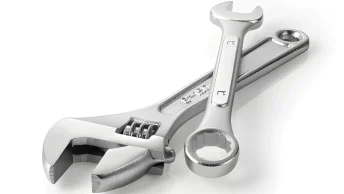
- A versatile tool that fits a range of bolt sizes is the adjustable wrench (also known as a crescent wrench).
- A torque wrench is necessary for tasks requiring accuracy, such as vehicle maintenance.
Manual vs Adjustable Wrenches
Manual wrenches provide a strong grip and power and are available in different sizes. On the contrary, adjustable wrenches provide you with more versatility but might not fit as tightly as fixed versions.
Pros and Cons of Using a Wrench
Pros:
- Simple to use
- Perfect for situations requiring high torque
- Long-lasting and reasonably priced
Cons:
- Slower operation
- Frequent repositioning may be necessary.
- An increased chance of knuckle-breaking slips
Getting to Know Ratchets: A Modern Mechanic’s Must-Have
Ratchets, as opposed to wrenches, are made to be quick and effective. They make it possible to turn fasteners continuously without having to move the tool.
Components and Function of a Ratchet
A ratchet is made up of:
- A grip
- A gearbox
- A square disk with socket connections
This tool speeds up repetitive fastening by permitting movement in one direction while blocking it in the other.
Types of Ratchets and Drive Sizes
Drive sizes commonly include:
- 1/4-inch: Best for electronics and small engines
- 3/8-inch: All-purpose use
- 1/2-inch: Heavy-duty automotive or machinery tasks
Styles include:
- Ratchets with a flex head
- Ratchets with swivel heads
- Ratchets with extendable handles
Pros and Cons of Using a Ratchet
Pros:
- Fast and efficient
- Requires less space to operate
- Pairs with socket sets for various sizes
Cons:
- It can be pricier than wrenches
- The gear mechanism may wear with time
- Limited torque compared to some wrenches
Wrench vs Ratchet: Key Differences That Matter
Let’s see the true comparison of these tools:
Efficiency and Speed
Ratchets are the fastest by far. The tool doesn’t need to be taken out and put back in place every time. This is a huge time-saver when working in a small area.
Precision and Control
Better torque and accuracy are provided by wrenches, particularly for high-tension tasks. Torque wrenches are chosen where precise force is needed, such as on automobile suspensions.
Ergonomics and User Fatigue
Ratchets are more ergonomic, reducing hand strain during long projects. Wrenches, while reliable, can be tiring over prolonged use.
Real-Life Use Cases: Which One Fits Your Job Best?
Automotive Repair
Mechanics often rely on ratchets for engine work thanks to their ability to fit into tight spots and work quickly with different socket sizes.
Plumbing and Pipe Fitting
Wrenches (like pipe wrenches and adjustable wrenches) are better suited for gripping rounded fittings and applying raw torque.
DIY Home Projects
Ratchets are the preferred tool for routine house maintenance, furniture assembly, and appliance repair, particularly when time is an issue.
Battle of the Toolbox: Real-World Scenarios Where One Outshines the Other
Ever wondered which tool truly shines in common, real-life jobs? Let’s put the wrench vs ratchet rivalry to the test with a few relatable scenarios:
| Scenario | Tool of Choice | Why It Wins |
| Changing a Car Battery Clamp | Wrench | A wrench offers the solid grip needed to loosen corroded, stuck bolts without slipping. |
| Assembling a Flat-Pack Desk | Ratchet | Speed is key, tight spaces and repetitive bolts make the ratchet a game-changer. |
| Fixing a Leaky Sink Pipe | Wrench (Adjustable) | Pipe wrenches handle round surfaces better and apply the torque needed for plumbing. |
| Installing a Wall-Mounted TV Bracket | Ratchet | Precision in anchoring bolts quickly is where the ratchet shines. |
| Removing Lug Nuts on a Tire | Ratchet with Breaker Bar | Use the ratchet for speed, and pair with a breaker bar for torque, perfect combo. |
Mini CTA: Pro Tip: Stocking both tools means you’re always ready, no matter what the project throws at you!
Material, Durability & Cost: Long-Term Value Comparison
Steel Grades and Torque Ratings
High-quality tools use chrome vanadium steel or carbon steel, ensuring strength and resistance to wear. Always check the torque rating before purchasing.
Maintenance and Lifespan
Wrenches require almost no maintenance. Ratchets need occasional lubrication to keep the gear mechanism working smoothly.
Price Comparison & Budget Considerations
- Wrench sets are generally cheaper.
- Ratchets with sockets are more expensive but more versatile.
Commercial CTA:
Need a dependable set on a budget? Check out this affordable wrench and ratchet combo kit [Amazon link].
How to Choose Between Wrench and Ratchet: Expert Buying Tips
Match Tool to Task
- Go for a ratchet if speed and socket compatibility matter.
- Pick a wrench for applying high torque or when you need a tighter grip.
Assess Frequency of Use
Frequent users benefit from higher-quality ratchets with smooth gear mechanisms. Occasional users can get by with a basic combo set.
Consider Tool Storage & Portability
Ratchet sets can take up more space due to the sockets. Wrenches are slim and easier to carry.
CTA: Want the best of both worlds? Grab this compact tool kit with wrenches AND ratchets!
Our Top Picks: Best Wrench and Ratchet Sets in 2025
Best-Selling Wrench Sets This Year
- Craftsman 20-Piece SAE/Metric Set: Durable and affordable
- GEARWRENCH 16 Pc Ratcheting Wrench Set: Combines both tools in one!
Must-Have Ratchet Sets for Every Toolbox
- DEWALT Mechanics Tools Kit: 168 pieces, professional-grade
- TEKTON 3/8” Drive Ratchet Set: Great for budget-conscious buyers
CTA: Shop our recommended toolsets now; top-rated, mechanic-approved, and built to last.
Toolbox Upgrade Checklist: What You Need to Complete Your Power Tool Arsenal
Whether you’re starting your first tool kit or upgrading your old one, knowing what to include is key to saving time and avoiding frustration. This brief checklist will assist you in creating a well-rounded, dependable, and effective toolbox that includes both wrench and ratchet necessities:
Must-Have Items for DIYers & Pros Alike:
| Tool | Purpose |
| Standard Wrench Set (SAE & Metric) | Covers basic fastening needs with fixed sizes for precision. |
| Ratchet & Socket Set (Multiple Drive Sizes) | Provides speed and flexibility for tightening/loosening bolts fast. |
| Claw Hammer | For general carpentry and nail removal. |
| Tape Measure | Accurate measurements for cutting and placement. |
| Multi-Bit Screwdriver | Handles a variety of screws with interchangeable heads. |
| Toolbox or Carry Case | Keeps everything organized and portable. |
| Grease/Lubricant for Ratchets | Maintains smooth gear operation in ratchet mechanisms. |
Bonus Tip:
Tools that are rust-resistant or chrome-plated will always last longer and retain their value.
Commercial CTA:
Do you require a complete makeover? Examine our comprehensive tool sets, which come with ratchets, wrenches, and other essentials to help you master your upcoming project.
Customer Reviews & Common Preferences: What Users Are Saying
- Survey Data Insights: Over 65% of users said ratchets were their go-to for general repairs, citing speed and ease of use.
- Online Ratings and Brand Loyalty: Brands like Craftsman, Milwaukee, and DEWALT consistently top reviews for durability, ease of use, and value.
FAQ: Wrench vs Ratchet Explained for Everyday Users
- Is a wrench stronger than a ratchet?
Indeed, when breaking tight bolts, wrenches can exert higher raw torque.
- Can you use a ratchet as a wrench?
Yes, technically, but it lacks a wrench’s sheer torque and works best with sockets.
- What’s better for beginners?
In general, ratchets are more user-friendly and adaptable for novices.
- Do I need both tools?
Yes! They serve different purposes and complement each other well.
- How long do these tools last?
Both can endure for decades if properly cared for. Sometimes ratchets need to be maintained.
- Which tool is safer to use?
Ratchets are generally safer due to reduced slippage, especially in tight spaces.
The Final Verdict: Wrench vs Ratchet
Summary of Key Takeaways
Your tasks determine whether you should use a ratchet or a wrench:
- For high-torque and tight-grip jobs →choose a wrench.
- For speed, efficiency, and multi-size tasks →go for a ratchet.
Upgrade Your Toolbox Today
Still undecided? Purchase a combo set that comes with both, and you’ll be ready to take on any assignment! Before they sell out, check out the best-rated offers! An overview of the main conclusions.