Look no further if you want a quick and dependable solution to the question “How to mount a drill press to a bench”! In this post, we will guide you through the process of mounting so that you can safely and securely fasten your tool into place. We will do this by walking you through each step of the mounting process.
Whether you’re setting up your first workshop or simply want to give your workspace an upgrade, having a drill press mounted to a sturdy surface is essential and something every serious woodworker should consider.
We’ll cover everything from what materials are needed right down to the specific sequences of actions required; ensuring that by following our instructions you will be able to enjoy all the great features of owning a drill press while also having the peace of mind it’s properly secured in its new home!
How To Mount A Drill Press To Bench
Mounting a drill press to a bench is a relatively straightforward process. Here’s a step-by-step guide to help you:
Choose a Suitable Location:
Select a sturdy workbench or table that can support the weight of the drill press and provide a stable surface for drilling operations.
Position The Drill Press:
Place the drill press on the bench in the desired location. Ensure that there is enough space around the drill press for maneuvering and that it is positioned at a comfortable height for your work.
Mark the Mounting Holes:
Use a pencil or marker to mark the drill press base’s mounting holes onto the bench. The number of holes and their positions may vary depending on the specific drill press model.

Pre-Drill Pilot Holes:
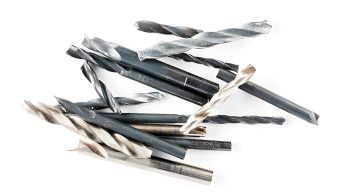
Using an appropriate-sized drill bit, pre-drill pilot holes on the marked locations. Make sure the pilot holes are slightly smaller than the diameter of the mounting screws to provide a secure fit.
Secure The Drill Press to the Bench:
Align the mounting holes on the drill press base with the pilot holes on the bench. Insert the appropriate screws through the base and into the pilot holes. Tighten the screws securely using a suitable screwdriver or wrench.
Check Stability and Alignment:
Once the drill press is secured to the bench, check for stability and ensure that it is level. Make any necessary adjustments to ensure the drill press is properly aligned and stable during operation.
Test the Setup:
Before using the drill press, test its stability and functionality. Check for any vibrations or wobbling during operation. If needed, make further adjustments or tighten the mounting screws to improve stability
It’s important to refer to the specific instructions provided by the drill press manufacturer as mounting procedures may vary slightly between models.
Additionally, ensure that you have appropriate safety measures in place, such as wearing protective eyewear and using a secure workbench, when operating a mounted drill press.
Also Check: How To Drill Intro Concrete?
Tips on Mounting a Drill Press
Mounting a drill press is an essential step to ensure stability, accuracy, and safety during your drilling operations. Here are some helpful tips to guide you through the process:
1. Choose a Suitable Location:
Select a location in your workshop or garage that offers enough space for the drill press and provides a sturdy mounting surface. Ensure that the area is well-lit and offers easy access to power outlets.

2. Secure The Base:
Most drill presses come with a base that needs to be securely mounted to a workbench or stand. Use bolts, screws, or clamps to attach the base to the mounting surface. Make sure the base is level and stable to avoid any wobbling or movement during operation.
3. Consider Stability:
Stability is crucial when mounting a drill press. If you’re mounting it to a workbench, ensure the workbench is solid and can withstand the vibrations generated by the drill press. If using a dedicated stand, make sure it has a wide and sturdy base to prevent any wobbling.
4. Align The Drill Press:
Once the base is secured, align the drill press on the base so that it is centered and perpendicular to the work surface. Use a level to check for accuracy. Adjust the position of the drill press as needed to ensure it is properly aligned.
5. Secure The Drill Press Head:
The drill press head, which houses the motor and drilling mechanism, needs to be securely attached to the column or post. Follow the manufacturer’s instructions for mounting the head and use the provided hardware to secure it firmly in place.
6. Check for Level and Square:
Verify that the drill press is level and square after mounting. This is essential to ensure accurate drilling. Adjust the leveling feet or make necessary adjustments to achieve a level and square position.

7. Test Stability:
Before using the drill press, perform a test run to ensure it is stable and there is no excessive movement or vibration. If you notice any issues, double-check the mounting and make any necessary adjustments or reinforcements.
8. Secure Workpiece and Use Clamps:
When using the drill press, always secure the workpiece firmly to the table or use clamps to hold it in place. This helps prevent any movement or slippage during drilling, ensuring precise and safe operation.
Remember to consult the drill press manufacturer’s instructions and guidelines specific to your model for detailed mounting instructions and safety precautions. Following these tips will help you mount your drill press securely, providing a stable and reliable tool for your drilling needs.
Why Do Drill Presses Use T-Slots?
T-slots are a common feature on many drill presses and are used to secure the table to the machine. The T-slot allows for easy removal of the table as well as providing an anchor point for various accessories. This makes it possible to add fixtures, stops, clamps, jigs, and other equipment that help in precision drilling.
The T-slots also provide a stable base for the table and help with reducing vibration when the drill bit is in operation. By having the T-slot, it will ensure that all components remain firmly in place while drilling and increase accuracy and safety.
Furthermore, using the T-slots also prevents any damage to workpieces as no additional hardware is required to secure the table.

This makes it an ideal solution for machining and drilling operations where accuracy and safety are essential. The T-slot also offers versatility as it allows for adjustments to be made quickly, without having to dismantle or unmount anything.
Mount A Drill Press To Bench FAQs
Q: Do I Need Any Special Tools to Mount a Drill Press to a Bench?
A: Mounting a drill press to a bench typically requires basic hand tools such as a drill, drill bits, a screwdriver or wrench, and measuring tools.
Depending on the specific drill press model, you may also need additional tools or hardware provided by the manufacturer.
Q: Can Any Workbench or Table Be Used to Mount a Drill Press?
A: While most sturdy workbenches or tables can be used to mount a drill press, it’s important to ensure that the chosen surface can handle the weight and vibrations of the drill press during operation.
Consider the size and weight of the drill press, and choose a bench or table that is appropriately sized and made of durable material.
Q: How Do I Determine the Correct Mounting Hole Placement For My Drill Press?
A: The specific mounting hole placement for your drill press can be found in the manufacturer’s instructions or the product manual.
It’s crucial to follow these guidelines to ensure the drill press is securely mounted. Typically, the mounting holes are located on the base of the drill press.
Q: Can I Mount a Drill Press to a Wall or Other Vertical Surface?
A: Drill presses are designed to be mounted to a horizontal surface, such as a workbench or table. Mounting a drill press to a wall or vertical surface is not recommended, as it can compromise stability and safety during operation.
Q: Can I Remove the Drill Press From the Bench Once it is Mounted?
A: It is possible to remove the drill press from the bench after it is mounted, but it may require removing the mounting screws and disassembling the setup.
Keep in mind that mounting the drill press to a bench provides stability and improves accuracy during drilling operations, so it’s generally recommended to keep it mounted unless necessary.
Q: Are There Any Specific Safety Precautions to Consider When Mounting a Drill Press?
A: When mounting a drill press to a bench, it’s important to ensure that the work surface is stable and can support the weight of the drill press.
Additionally, follow all safety guidelines provided by the manufacturer, including wearing appropriate safety gear such as safety glasses, and ensuring the drill press is properly grounded.
Conclusion!
After taking a few simple steps to mount your drill press onto a bench, now you’re an expert. Now that you’ve figured out how to securely attach the drill press to your workbench, you can start drilling with ease and confidence.
You no longer have to worry about it being unstable or slipping during use, or having it take up too much counter space when not in use! With the added stability of having the drill press mounted on a safe and sturdy table, you can get projects finished quicker than ever before.
Additionally, you should consider adding accessories such as guide rails, clamps and other safety measures to ensure that your tools are always operating safely while you are drilling.
By mounting your drill press on a bench securely, it will last longer with proper maintenance and be better equipped to deal with tough jobs. At this point, you should feel proud knowing that you are all set up and ready to start making amazing projects.