
When you first start using a drill press, drilling into concrete may seem like an intimidating task. This is especially true if you have never done it before. But if you have the right knowledge and a little bit of practice on How To Drill Into Concrete?, you’ll have no trouble at all doing it! In this entry on your blog,
we’ll look at some helpful tips and tricks to help make drilling into concrete easier and less stressful for anyone who’s tackling this tricky project.
From choosing the right drill bits to making sure your equipment is up-to-date, we’ve got you covered so that you can get started on your next construction project tress-free!
How to Drill into Concrete
Drilling into concrete requires specialized tools and knowledge. Here are some tips for successfully drilling into concrete:
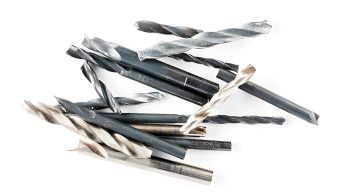
- Determine the type of bit needed for your project. Different types of jobs require different bits, including spade bits, auger bits, masonry drill bits, and carbide-tipped hammer drills.
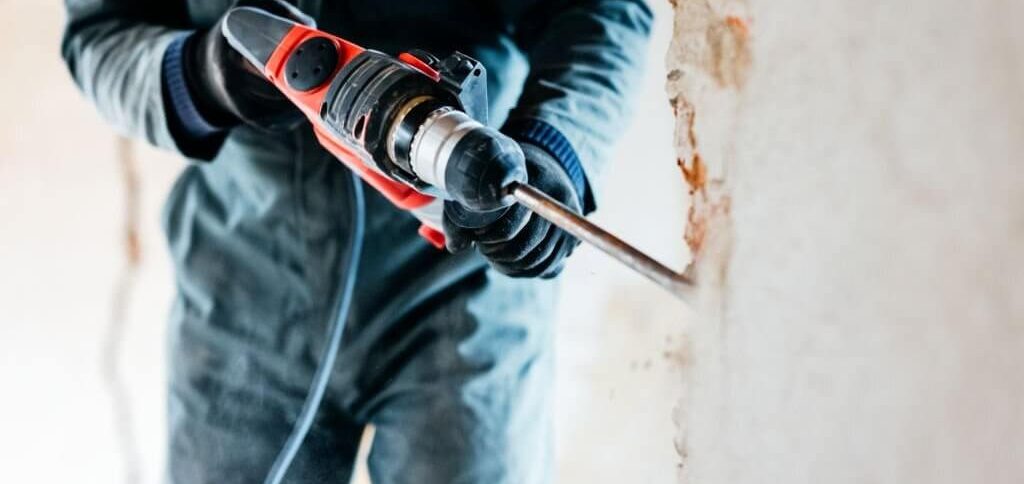
- Choose the right drill for the job. If you’re drilling large holes (over 1″ in diameter), consider using a rotary hammers drill with a masonry bit. For smaller holes, an electric or cordless drill should suffice.
- Mark the spot where you want to drill before beginning. Make sure the drill bit is lined up where you want it, and that your hands and tools are secure.
- Start drilling with slow, steady pressure. Go slowly at first, then gradually increase the speed as the bit bites into the concrete. Drilling too fast can cause chipping or breakage of the material.
- Use a lubricant to decrease heat and friction while drilling. This will help protect the bit from overheating and prolong its life.
- Keep the drill bit cool by regularly stopping, removing it, and allowing it to cool off before continuing. Make sure you’re wearing safety glasses when drilling into concrete.
- Use a vacuum or shop vac to keep the dust from filling up the area.
Following these tips can help you successfully drill into concrete without damaging your tools or yourself. With the right preparation and technique, drilling through concrete can be a breeze!
Which Drill Bit Length is Best for Hammering Concrete?
When it comes to hammering concrete, it’s important to use the right kind of drill bit. Knowing which drill bit length is best for your project can make all the difference in achieving a successful result.

Drill bits come in various lengths; shorter bits are better suited for shallow holes and longer ones are better for deep holes. Generally speaking, for hammering concrete a short drill bit of 2-3 inches in length is most effective.
This ensures that you have enough length to hold on to the bit and prevents it from becoming loose or slipping out.
In addition to the length of the bit, other factors such as material type and tip shape should also be taken into consideration when hammering concrete. High-speed steel (HSS) and carbide-tipped drill bits are the two most common types of materials used for drilling into concrete.
HSS is better suited for softer masonry materials while carbide-tipped bits are more effective on harder concrete surfaces such as brick, block, and ceramic tile.
The Best Ways to Drill Concrete
Drilling concrete can be a challenging task due to the material’s hardness and composition. However, with the right approach and tools, you can achieve effective and efficient results. Here’s the best way to drill concrete:
Select the Right Drill:
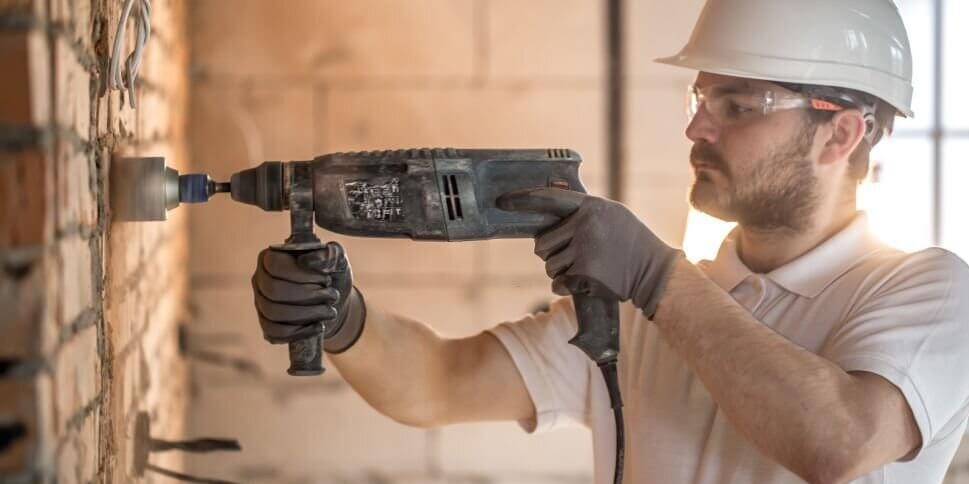
Choose a high-quality drill with a hammer or quality hammer-drill function specifically designed for masonry work. These drills have the power and impact necessary to penetrate concrete effectively.
Opt for a drill with a variable speed setting to control the drilling speed based on the thickness and density of the concrete.
Also Check: How to Drill into Marble?
Use the Proper Drill Bit:
Use a carbide-tipped masonry drill bit designed for concrete drilling. Carbide tips are highly durable and can withstand the abrasive nature of concrete. Select a concrete drill bit size appropriate for your specific drilling needs, such as concrete anchors installation or creating holes for plumbing or electrical work.
Mark the Drilling Spot:
Clearly mark the spot on the concrete where you need to drill. Use a pencil or marker to make a visible and precise guide point. Consider using masking tape or adhesive tape to create a small dam around the drilling area. This helps prevent the drill bit from slipping or wandering during the drilling process.
Prepare Safety Measures:
Put on safety goggles to protect your eyes from concrete dust and debris. It’s also advisable to wear a dust mask and work gloves to minimize exposure to airborne particles and protect your hands.
Start Slowly and Steadily:
Begin drilling at a slow speed to establish a pilot hole. Apply firm, but not excessive, pressure to maintain control over the drill. Allow the drill bit to do the work and avoid forcing or pushing too hard, as it can cause overheating and damage to the drill or bit.
Add Water for Cooling:
If you’re drilling a large or deep hole, consider using a spray bottle or a continuous flow of water to keep the drill bit and concrete cool. Cooling helps prevent overheating and prolongs the life of the drill bit.
Clean Out Dust:
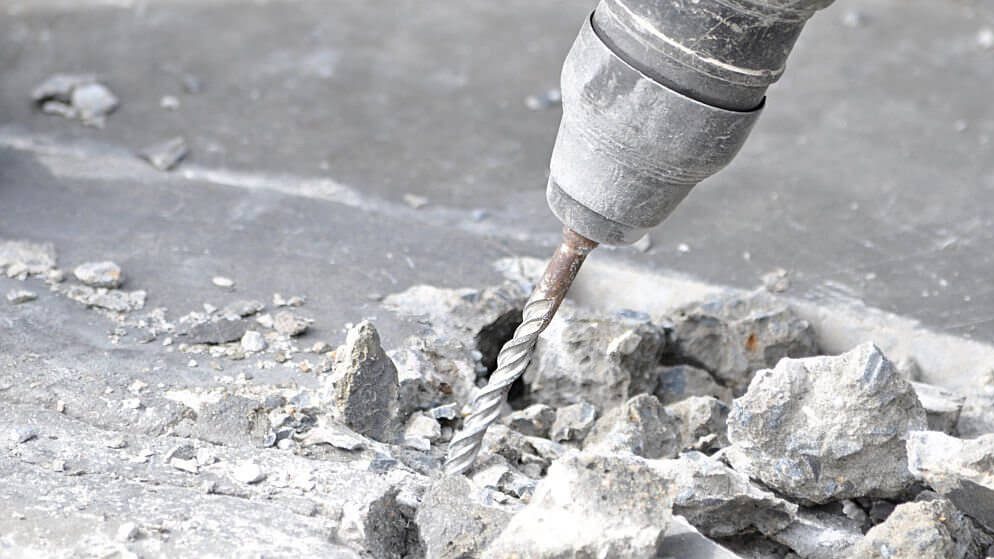
Periodically remove the drill bit from the hole to clear out accumulated concrete dust. This allows the bit to continue drilling smoothly and prevents clogging.
Be Mindful of Depth:
Pay attention to the desired depth of the hole and periodically measure the hole’s progress using a depth gauge or a piece of tape wrapped around the drill bit as a reference point.
Secure Anchors or Fasteners:
Once the hole is drilled to the desired depth, blow out any remaining dust and debris from the hole using compressed air or by gently tapping the hole with a small brush. Then, insert the appropriate plastic anchors or fastener into the hole and tighten it securely.
Clean Up:
After completing the drilling process, clean up the work area by removing any debris or dust. Store the drill and drill bits properly for future use.
By following these steps and taking the necessary safety precautions, you can drill properly effectively, and efficiently. Remember to exercise caution, use the appropriate right tools, and work methodically to achieve the best results.
Drill Into Concrete FAQs
Can you Use a Regular Drill to Drill into Concrete?
The best method of drilling masonry is concrete diamond point concrete screws. Both of these tools work to cut or chew on material.
A regular drill requires greater force to break through concrete or brick. All-purpose drill pieces can crack under this tension.
What is the Best Way to Drill into Hard Concrete?
Hammer Drilling Bits & Bits: A Hammer Drill can drill into tough materials like concrete using a rotary drill and hammering motions. Security Devices: Concrete is covered in debris and dents. Get good quality safety gear for your safety.
What Kind of Drill Bit do You Use for Concrete?
A bit of concrete that can be drilled into the concrete is called a masonry nail piece. It’s usually thicker and stronger than carpentry pieces so that the pierce is not warpy or snapping through a dense concrete brick.
Conclusion
After exploring the ins and outs of drilling into concrete, it is safe to conclude that it is a challenging and involved process. It is important to take careful measures in order to achieve successful results.
All tools must be inspected thoroughly before use and safety glasses should be worn at all times during the process.
In conclusion, if a surface needs to be attached correctly and securely to concrete successfully, it is critical to follow these steps precisely.
Those who take the time to understand how the process works will ensure that their projects come out as planned with minimal risk of damage or injury. With these tips in mind, anyone can become an expert in drilling into concrete!