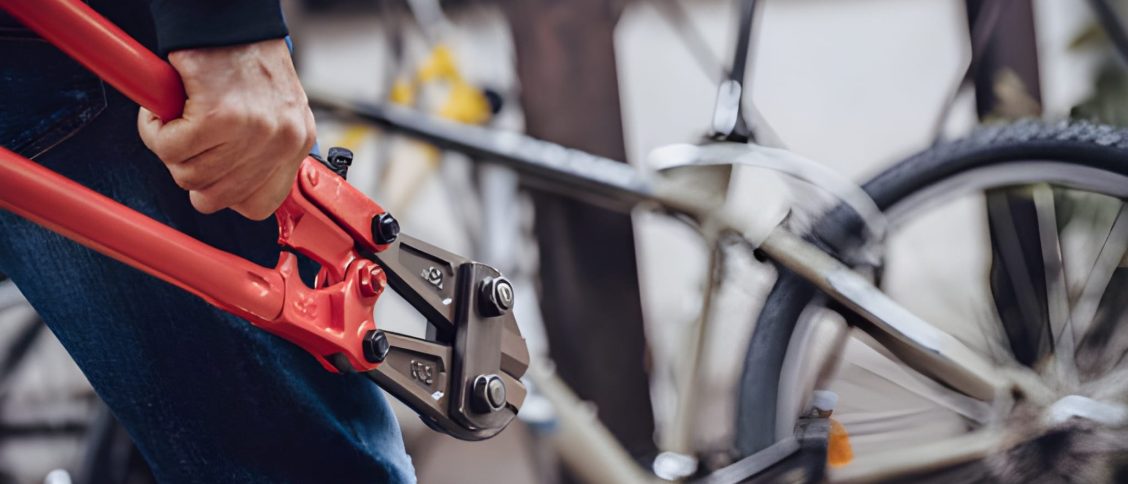

Bolt cutters are one of those essential tools you might not think about until you desperately need one. From snipping a stubborn padlock to clearing a fallen chain-link fence, the right pair can save you time, effort, and frustration. They are a staple in the toolkits of construction workers, farmers, first responders, and even dedicated DIYers for their sheer cutting power and versatility.
However, not all bolt cutters are created equal. Choosing the wrong tool can lead to damaged equipment, incomplete jobs, and even serious injury. The difference between a high-quality cutter and a subpar one lies in its durability, cutting efficiency, and overall design.
This guide will walk you through everything you need to know, from selecting the perfect model for your needs to using and maintaining it properly. We will explore the best options on the market, ensuring you can make an informed decision and invest in a tool that will serve you well for years to come.
Buying Guide: How to Choose the Right Bolt Cutters
Selecting the right bolt cutter involves more than just picking the biggest or cheapest option. Several key factors determine a tool’s performance, suitability for a specific task, and overall value. Understanding these elements will help you find the perfect match for your projects.
Cutting Capacity and Jaw Material
The most critical factor is the tool’s cutting capacity. This refers to the maximum thickness and hardness of the material the jaws can sever. Manufacturers typically list this in inches or millimeters. A bolt cutter designed for soft metals will fail against hardened steel, potentially chipping the blades or even breaking the tool.
Look for blades made from hardened steel, often chrome-molybdenum (Cro-Moly) or chrome-vanadium (Cro-Van). This material offers the strength and resilience needed to cut through tough materials like heavy chains, bolts, and rebar without dulling or deforming quickly. For tasks like cutting padlocks, you’ll need a tool with exceptional jaw hardness, making hardened steel bolt cutters a necessity.
Size and Handle Length
The size of a bolt cutter, usually measured by its total length, directly impacts its leverage and portability.
- Compact Bolt Cutters (8-14 inches)
Often called small bolt cutters, these are perfect for light-duty tasks and working in tight spaces. Their shorter handles offer less leverage but are easy to carry and store. They excel at cutting thin wires, small chains, and mesh.
- Medium Bolt Cutters (18-24 inches)
This is the sweet spot for general-purpose use. They offer a good balance of cutting power and manageability, capable of handling medium-gauge chains, non-hardened bolts, and thicker wires.
- Long Handle Bolt Cutters (30-48 inches)
When you need maximum cutting force, these are the tools to reach for. The extended handles provide immense leverage, allowing you to slice through thick, hardened materials like security chains, rebar, and large padlocks. These are often considered heavy duty bolt cutters and are a favorite for industrial bolt cutters.
Jaw and Blade Design
The design of the cutting head is crucial. Most quality bolt cutters use a compound bolt cutters design, which incorporates a multi-pivot mechanism. This compound action multiplies the force you apply to the handles, translating a small effort into immense cutting power at the jaws.
Blade alignment is also important. The jaws should meet perfectly with no gaps. Misaligned blades will struggle to make a clean cut and can be damaged easily. Many professional grade bolt cutters feature adjustable cams or eccentric bolts that allow you to fine-tune the blade alignment as the tool wears over time.
Handle and Grip Comfort
While cutting power is paramount, user comfort should not be overlooked, especially for repetitive tasks or tough jobs. Look for handles with ergonomic grips made from rubber or a cushioned composite material.
These grips reduce hand fatigue, prevent slippage, and absorb some of the shock upon cutting. The shape of the handle should also feel natural in your hands, allowing for a firm, controlled grip.
Intended Use
Finally, consider what you will be cutting most often.
- Best Bolt Cutters for Padlocks
You’ll need a tool with extremely hard jaws and, depending on the shackle thickness, significant leverage. A 24-inch or larger model is often recommended.
- Best Bolt Cutters for Chain Link Fence
A 14- to 18-inch cutter is typically sufficient for the relatively soft wire of a standard fence.
- Industrial or Heavy-Duty Use
For cutting rebar, thick bolts, or high-security chains, you will need industrial bolt cutters that are at least 36 inches long, with forged steel construction and the highest cutting capacity available.
By carefully considering these factors, you can move beyond a simple size comparison and choose a bolt cutter that truly meets the demands of your work.
Top 10 Best Bolt Cutters
Here are our top picks for the best bolt cutters available today, covering a range of sizes and applications to help you find the perfect tool for your needs.
1. Crescent H.K. Porter 0190MCP 24-Inch PowerPivot Bolt Cutter
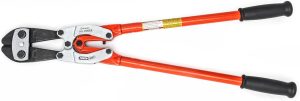
| Key Specifications |
| Handle Length | 24 inches |
| Blade Material | Forged steel |
| Cutting Capacity | Up to 7/16 in. for soft materials, 5/16 in. for hard materials |
| Weight | 5.5 pounds |
Pros
Cons
The Crescent H.K. Porter 0190MCP is a top-tier performer that combines power and ergonomic design. Its patented PowerPivot mechanism makes it one of the most efficient compound bolt cutters available, ideal for professionals who need reliable cutting power without excessive strain
2. WorkPro W017004A 3-Piece Bolt Cutter Set
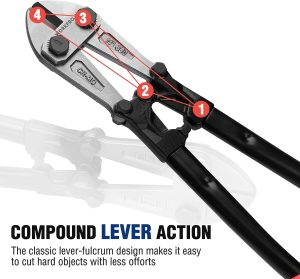
| Key Specifications |
| Handle Length | 8-inch, 12-inch, and 14-inch cutters included |
| Blade Material | Drop-forged Chrome-Molybdenum (Cr-Mo) steel |
| Cutting Capacity | Varies by size, suitable for soft to medium materials |
| Weight | Varies by tool |
Pros
Cons
This WorkPro set is an outstanding choice for homeowners, DIYers, and workshops needing versatility. It covers a wide range of light and medium-duty jobs, from trimming wire fencing to cutting small bolts, all at a very accessible price point.
3. Crescent H.K. Porter 0090MCP 18-Inch PowerPivot Bolt Cutter
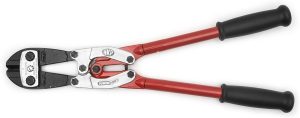
| Key Specifications |
| Handle Length | 18 inches |
| Blade Material | Forged steel |
| Cutting Capacity | Up to 3/8 in. for soft metals, 1/4 in. for hard metals |
| Weight | 3.75 pounds |
Pros
Cons
For those who need professional-grade power in a more manageable size, the 0090MCP is an exceptional option. It’s arguably the best bolt cutter for chain link fence work and other common tasks where a larger tool would be cumbersome.
4. Pittsburgh 36-Inch Heavy Duty Bolt Cutters
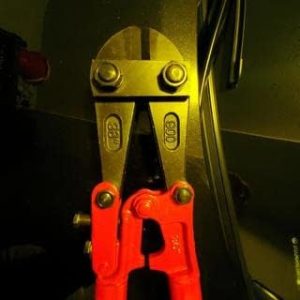
| Key Specifications |
| Handle Length | 36 inches |
| Blade Material | Hardened forged alloy steel |
| Cutting Capacity | Up to 1/2 in. for soft materials, 7/16 in. for hard materials |
| Weight | 11.4 pounds |
Pros
Cons
When raw power is the priority and budget is a concern, the Pittsburgh 36-inch bolt cutter delivers. It is a workhorse designed for the toughest jobs, making it a great choice for farm, construction, or industrial settings where cutting rebar and thick chains is common.
5. WORKPRO 8-Inch Mini Bolt Cutter

| Key Specifications |
| Handle Length | 8 inches |
| Blade Material | Drop-forged Chrome-Vanadium (Cr-V) steel |
| Cutting Capacity | Up to 5/32 in. (4mm) |
| Weight | 0.68 pounds |
Pros
Cons
The WORKPRO 8-inch Mini Bolt Cutter is a perfect example of a compact bolt cutter done right. It’s an indispensable tool for electricians, hobbyists, or anyone needing a precise, portable cutter for small-gauge materials.
6. ZrgGea 24-Inch Bolt Cutter
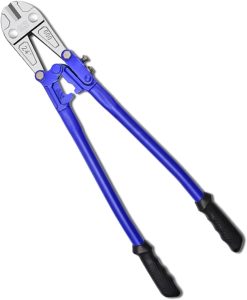
| Key Specifications |
| Handle Length | 24 inches |
| Blade Material | T8 alloy steel |
| Cutting Capacity | Up to 3/8 in. |
| Weight | 5.2 pounds |
Pros
Cons
The ZrgGea 24-inch cutter is a strong contender in the mid-size category, offering premium features like high-grade T8 steel blades and adjustability at a competitive price. It’s a solid choice for those seeking a durable, all-around tool.
7. MaxPower 24-Inch Bolt Cutter

| Key Specifications |
| Handle Length | 24 inches |
| Blade Material | Forged Chrome-Molybdenum (Cr-Mo) steel |
| Cutting Capacity | Up to 3/8 in. |
| Weight | 5.4 pounds |
Pros
Cons
MaxPower delivers a no-frills, dependable 24-inch bolt cutter that performs consistently. It’s a great mid-range option that balances power, durability, and cost, making it suitable for both serious DIYers and trade professionals.
8. Klein Tools 63536 36-Inch Bolt Cutter
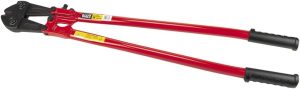
| Key Specifications |
| Handle Length | 36 inches |
| Blade Material | Forged alloy tool steel |
| Cutting Capacity | Up to 1/2 in. for soft metals, 3/8 in. for hard metals |
| Weight | 12.5 pounds |
Pros
Cons
Klein Tools is a name synonymous with quality, and the 63536 bolt cutter is no exception. This is an investment tool for professionals who need uncompromising performance and reliability for cutting hard materials day in and day out.
9. Greenlee BC24 24-Inch Bolt Cutter
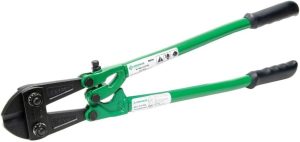
| Key Specifications |
| Handle Length | 24 inches |
| Blade Material | Forged steel |
| Cutting Capacity | Up to 7/16 in. for soft materials, 5/16 in. for hard materials |
| Weight | 6.2 pounds11 pounds |
Pros
Cons
The Greenlee BC24 stands out with its fiberglass handles, offering an added layer of safety for electricians. It’s a robust, adjustable, and powerful tool built for the rigors of the job site, making it a top choice for tradespeople.
10. WORKPRO 36-Inch Bolt Cutter

| Key Specifications |
| Handle Length | 36 inches |
| Blade Material | Drop-forged Chrome-Molybdenum |
| Cutting Capacity | Up to 1/2 in |
| Weight | 11 pounds |
Pros
Cons
This larger offering from WORKPRO is an excellent budget-friendly alternative to premium long handle bolt cutters. It brings serious cutting power to the table for those who need to tackle tough materials without breaking the bank.
Comparison Table
| Product | Size | Blade Material | Best For | Key Feature |
| Crescent H.K. Porter 0190MCP | 24 in | Forged Steel | Professional, All-Purpose | PowerPivot for 30% less effort |
| WorkPro W017004A Set | 8, 12, 14 in | Cr-Mo Steel | DIY, Versatility | 3-piece set for various tasks |
| Crescent H.K. Porter 0090MCP | 18 in | Forged Steel | Fencing, General Use | PowerPivot in a compact size |
| Pittsburgh 36 in | 36 in | Forged Alloy Steel | Heavy-Duty, Budget | Maximum leverage for low cost |
| WORKPRO 8” Mini | 8 in | Cr-V Steel | Light-Duty, Portability | Compact and lightweight design |
| ZrgGea 24 in | 24 in | T8 Alloy Steel | Mid-Duty, Value | High-hardness T8 steel blades |
| MaxPower 24 in | 24 in | Cr-Mo Steel | General Purpose | Solid, reliable performance |
| Klein Tools 63536 | 36 in | Forged Alloy Steel | Industrial, Professional | Unmatched durability & alignment |
| Greenlee BC24 | 24 in | Forged Steel | Electrical, Trades | Insulated fiberglass handles |
| WORKPRO 36 in | 36 in | Cr-Mo Steel | Heavy-Duty, Budget | High power-to-price ratio |
Safety & Proper Usage
Using a bolt cutter, especially a large one, requires respect for its power. Following proper safety procedures is essential to prevent injury and tool damage.
- Wear Protective Gear: Always wear safety glasses or goggles. When a bolt or chain snaps, small metal fragments can fly off at high speed. Heavy-duty work gloves are also recommended to protect your hands and improve your grip.
- Position the Material Correctly: Place the material to be cut deep into the jaws, as close to the pivot point as possible. This is the point of maximum force. Attempting to cut with the tips of the blades is inefficient and can damage them.
- Ensure Stable Footing: When using long handle bolt cutters, you will be applying significant body weight. Make sure you have solid, stable footing to avoid slipping or losing your balance as the material gives way.
- Apply Steady Pressure: Use a smooth, steady motion to close the handles. Do not use jerky movements or try to hammer the handles. If the material is too hard, you need a larger cutter or a different tool; forcing it will only lead to failure.
- Never Exceed Capacity: Do not attempt to cut materials that are thicker or harder than the manufacturer’s specified rating. This is the fastest way to destroy the blades. Pay special attention to “hardened” versus “soft” material ratings.
- Keep Fingers Clear: Be mindful of where your hands and fingers are at all times. The compound pivot mechanism can create powerful pinch points.
Maintenance & Care Tips
A quality bolt cutter is an investment. With proper care, it can provide reliable service for many years.
- Cleaning: After each use, wipe the tool down to remove dirt, debris, and moisture. This prevents rust and keeps the pivot mechanism operating smoothly.
- Lubrication: Periodically apply a few drops of light machine oil to all pivot points and joints. This reduces friction, prevents rust, and ensures smooth operation.
- Blade Inspection and Adjustment: Regularly inspect the cutting edges for nicks, chips, or dulling. Check that the blades are properly aligned. If your model has eccentric bolts, you can adjust them to bring the blades back into perfect alignment. Consult your user manual for specific instructions.
- Sharpening: While hardened steel bolt cutters hold their edge well, they will eventually dull with heavy use. Sharpening should be done carefully with a fine-toothed file or a bench grinder, taking care to maintain the original bevel angle. For many users, replacing the jaws (if possible on your model) is a more practical option than sharpening.
- Storage: Store your bolt cutters in a dry place, such as a toolbox or on a wall rack. Avoid leaving them on damp concrete floors or exposed to the elements, which will accelerate rusting.
Conclusion
Choosing the best bolt cutter comes down to a clear understanding of your specific needs. Whether you require a compact bolt cutter for small tasks around the house, a versatile mid-size model for general farm use, or a heavy duty bolt cutter for demanding industrial applications, there is a tool designed for the job.
By focusing on factors like cutting capacity, blade material, and handle length, you can select a tool that offers the right blend of power, precision, and durability. The models we’ve reviewed, from the innovative Crescent H.K. Porter to the powerhouse Klein Tools and the value-packed WORKPRO, represent the best options across the spectrum.
Investing in the right tool not only makes your work easier and more efficient but also ensures safety and provides a long-lasting addition to your toolkit.