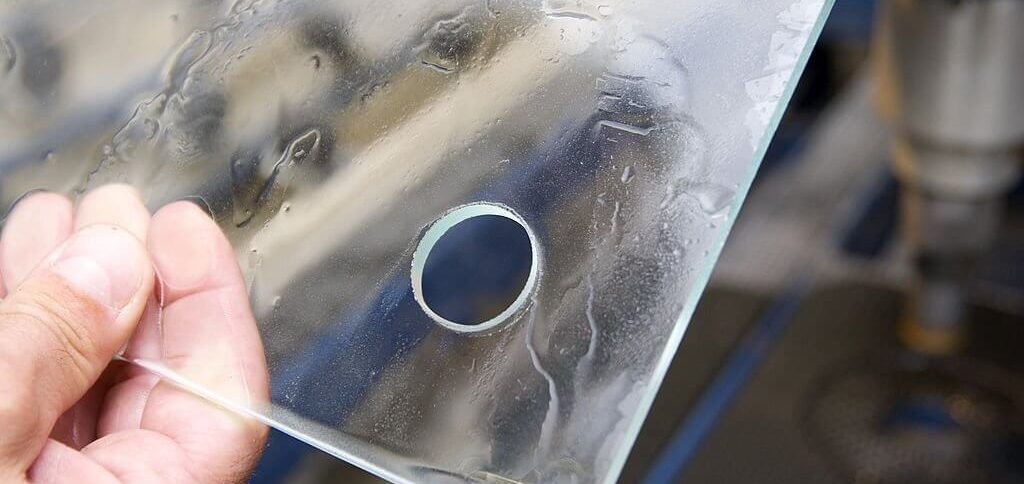

Are you searching for a method to drill through glass without causing it to crack, easily and safely? Perhaps you need to fasten an item such as a wire to a picture frame, or you’re aiming to craft intricate artwork with precise embellishments.
Whatever your goal is, drilling into glass can seem daunting after all, one wrong move can lead to unwanted cracking.
Never fear; drilling through glass doesn’t have to be so tricky! With the proper tools and techniques, we’ll show you is to achieve the perfect results. Read on for our guide to everything you need to know about drilling with a drill press and making sure that sheet of glass stays in one beautiful piece.
9 Steps: How to Drill a Hole In Glass Without Breaking It?
Glassworks have great holes that attract people. It needs specific skill and careful care when drilling holes through glass without tearing it. This article discusses a procedure for drilling holes into glass with a small hole.
Step-by-Step Guideline:
- Firstly, you must know the material and size of your glass object. This will determine the drill bit that you’ll need to use as well as the type of drill and speed setting appropriate for the task.
- Secure the piece of glass you’re drilling into on a solid surface like a workbench or vise. This will help to prevent the glass from shifting when you start drilling, which can result in breakage or uneven holes.
- Lubricate the drill bit with oil or water before beginning to drill. This will reduce friction and heat generated by the drill bit as it rotates into the glass, reducing the chances of cracking it.
- Set the drill bit in the center of the glass where you’d like to make your hole and turn on the drill at a slow speed setting. Keep constant pressure as you begin to drill into the glass, but be sure not to press too hard or else risk breaking it.
- While drilling, you can use a gentle back-and-forth motion to help the drill bit move into the glass more easily.
- Increase the speed of the drill as it moves further into the glass until it has reached full speed for the material you’re drilling into.
- Once you have reached the desired depth, decrease your speed and remove the drill bit from the glass.
- When you have finished drilling, clean up any pieces of broken glass that may be left behind and dispose of them properly.
- Lastly, check for any cracks or jagged edges in your hole and use sandpaper to smooth out any imperfections before using your newly created hole.
What Types Of Drill Bits Should You Use for Glass?
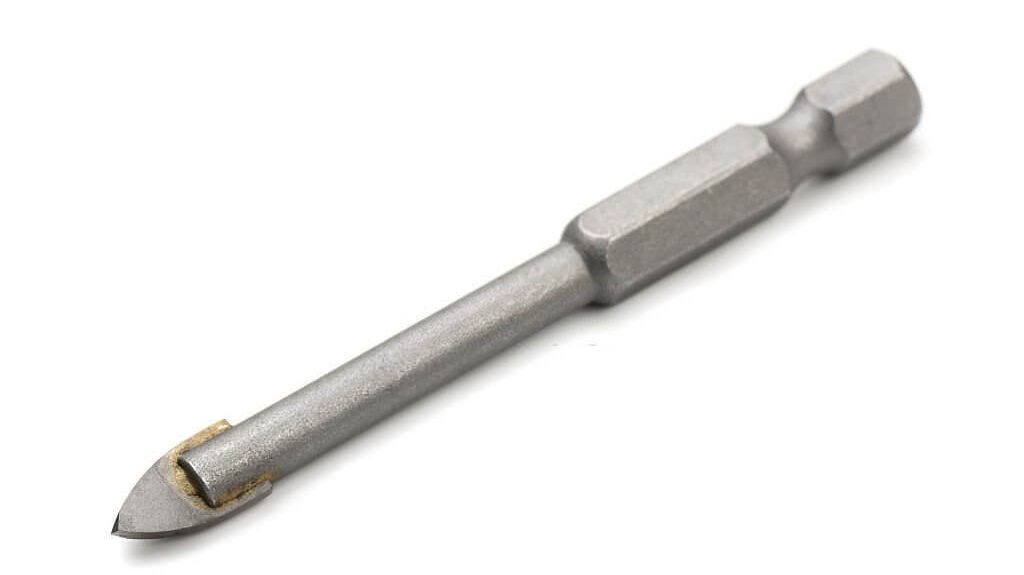
Types of Drill Bits
This drill bit has excellent resistance against heat and friction. This product is very durable due to the design it uses. Carbide burrs have been proven to be the most durable for the removal of surplus material after drilled holes into metal.
The burrs can be used for drilling cavities perfectly so that you can use them for drilling holes into glass with no cracks.
There are a Few Types of Drill Bits:
1. Diamond drilling Bits
Diamond drilling bits are the best choice. They are perfect for glass drilling because they have a much higher speed and precision than other drill bits. This is due to the fact that diamond tips offer better grip and leverage, which helps make cleaner cuts in glassware.
When choosing your drill bit size try not to go too small. Depending on the size of your glass object you may need to use larger drill bits to make sure that your drill hole is big enough and not too tight.
2. Diamond Core Drill Bits
A diamond core bit is a great option for drilling glass. It will not crack your material, so it’s the best choice for delicate projects. These drill bits are able to cut deeper than any other type of drill bit,
making them ideal for working with glass that has thicker walls or multiple layers. The one downside of diamond drill bits is that they are more expensive than the other types.
3. Carbide Drill Bits
A carbide drill bit is a great option if you need to drill glass quickly and easily. They have a high speed, so they can make clean cuts in glass with less effort and damage to the material. This also makes them ideal for drilling through tempered glass. The downside is that they are not as durable as diamonds.
They are a good choice for drilling through thick glass. However, and because of their may speed require more hardness and frequent sharpening. So they can be difficult when you control and you may look for a crack to do material of any type if the glass it is drilling is too thin.
Related: How to Bore a Cylinder With a Drill Press?
Conventional Methods to Make a Hole in Glass Without a Drill
Traditional methods were used before the advent of drills. This way of doing things is not often done without expensive tools but it can be costly in unreliable hands due to repeat mistakes & misalignments. Several techniques were mentioned earlier.

1. Using a Water Jet Method to Make Holes in Glass
A powerful water hose crinkles a gap in glass-like sharp knives cut cakes. Water jet machines can produce jets with pressures of up to 70,000 PSI. The recommended pressure for glass cutting is 5,000 to 155,000 PSI. It’s briefly described below.
2. Use a Soldering Iron to Cut Out a Hole in Glass
It can be used to drill slits or holes in glass. Start by sketching a plan for making holes. Create an arc in your solder iron. Once all the holes are finished a sharp pencil or a pencil should cut it up. See how it works by watching the following video.
3. Filling Out a Hole With a Tapered File
Often called the three-square file or tapering file, it represents an iron bar with parallel trees. This tool is used in many different ways, such as sharpening knives or removing scratches on surfaces.
It is possible to use this format on virtually everything in glass. However, these methods work but they can be costly. This method works. It’s a simple process, but it needs some time.
4. Cutting Out a Circle With a Glass Cutter
Glass cutters are pencil-like devices that contain blades that contain titanium carbide and are used in the manufacture. Its main purpose is to cut glass panels but also to cut glass holes. This procedure may sound tricky when cutting circles. It is necessary if you follow the following procedure.
5. Heating Glass Surface With String Dipped in Kerosene Oil
It’s an old science class technique used for experiments at labs. This technique is ideal for bottles or thicker glasses to reduce them. This approach mainly uses heating local effects.
This item requires the aforementioned materials: to perform the procedure first identify the clean hole. Immediately soak the strings in the ketamine oils.
To split the bottles, tie the string around them and light up the string. Wait a minute until the string begins to burn. Holding a glass bottle in your hand makes jerking sounds in your hand. Alternatively, you can cut through glass using your knife.
6. Drilling Out a Hole With Hands Using Carbide Tipped Drill Bit
The carbide piece may scratch and damage the glass. The bottles are made of glass and flat glass is also possible with holes in certain spots. You must use duct masking tape to puncture the glass to prevent vibrations. Rub out the tip of the piece.
Keep avoiding excessive pressure for the prevention of cracking. The procedures are identical as for glass flattened except the duct tape does not exist but the vapor can be controlled with an air-cooled pump.

You can rotate the tool by hand or use an anchor on a bow like you would do when a fire starts using the bowstring method.
Materials You Will Need
So, it’s all a matter of selecting a drill. Tell me the necessary materials for drilling into this glass.
Before you begin your project, it’s important to make sure that you have all the necessary materials for success. To drill into the glass, you’ll need
- A drill
- Appropriate bit
- Safety glasses
- Mask or respirator
- Glass cleaner
- Paper towels
If you’re drilling onto a flat surface other than glass then different tools may be required.
Drill Glass Without Cracking It FAQs
How do I Prevent the Glass From Cracking While Drilling?
To prevent cracks in sand while drilling it is important to use glass drill bits that have a special coating. A lot must always be done carefully and slowly without exerting any stress.
Do I Need to Use Water When Drilling a Hole in Glass?
It can be used for drilled holes in glass to keep it warm and lubricate it. So the glass won’t crack.
Can I Drill a Hole in Tempered Glass?
It is recommended that you drill holes into the glass to prevent the glass from cracking and breaking. It can be difficult for someone to cut holes in glass by hand.
Can you Drill Glass With a Normal Drill Bit?
You can drill glass holes easily. Usually, the diamond-coated or carbide bit will work. Learn how this works by reading this article. It is useful for fragile materials, including glass tiles, pots, and glass pots.
What Kind of Drill Bit do you Use for Glass?
Using carbide in the drill.
Should I Use Water When Drilling Glass?
Water in drill tools is essential. Water serves as a coolant that keeps the drill bits from breaking and protects them from cracking and damage. It’s vital whether you use plastic tubes or drip feeding systems to drill holes.
Conclusion!
By adhering to the instructions detailed in this article, you should be well-equipped with the knowledge to accurately drill through glass without causing it to fracture. Drilling into glass allows for personal customization and the creation of unique projects, utilizing specialized equipment and materials.
Just remember to let the drill do the work and apply plenty of pressure, so that it drills slowly and gradually.
With patience, precision, and proper safety glass equipment, you will be able to achieve success in drilling through glass!
Lastly, you may also want to invest in a tungsten carbide drill bit set that is specifically designed for use on glass and ceramic materials; this type of drill bit will not only make your drilling efforts easier and more successful, but it will also help prolong the life of your bits!
Whether you’re creating stained glass art or other unique craft projects, drilling through glass is sure to be an enjoyable experience if done correctly!