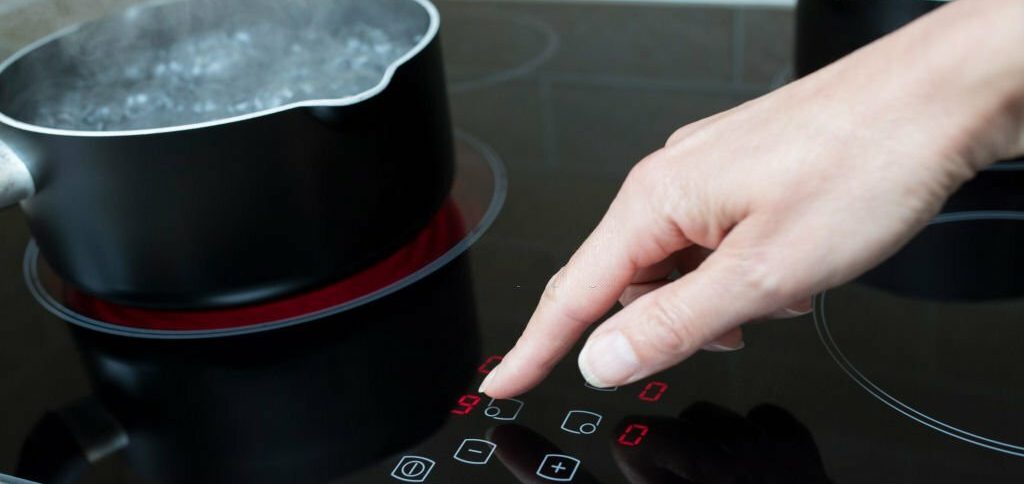

Electric stoves are a popular choice for cooking in many households. They offer precision temperature control and ease of use, making them a convenient option for everyday cooking. But how hot do these electric stoves get?
This document will delve into the specifics of electric stove temperatures and explore what factors can affect their maximum heat output.
How Hot Does a Stovetop Get?
The maximum temperature of an electric stove can vary depending on the type and model.
However, most electric stoves have a maximum heat output of around 500-600 degrees Fahrenheit (260-315 degrees Celsius).
This temperature is typically achieved on the stove’s control panel’s highest or “high” setting.
It is important to note that this temperature is measured at the stove’s surface, where the heat is directly applied.
The temperature may vary slightly at different spots on the stovetop and can also be affected by factors such as cookware materials and size.
Must Read: How to Test Electric Fences with a Multimeter?
Electric Stove Hot Settings?
Low, medium, and high settings on an electric stove typically correspond to different temperature ranges.
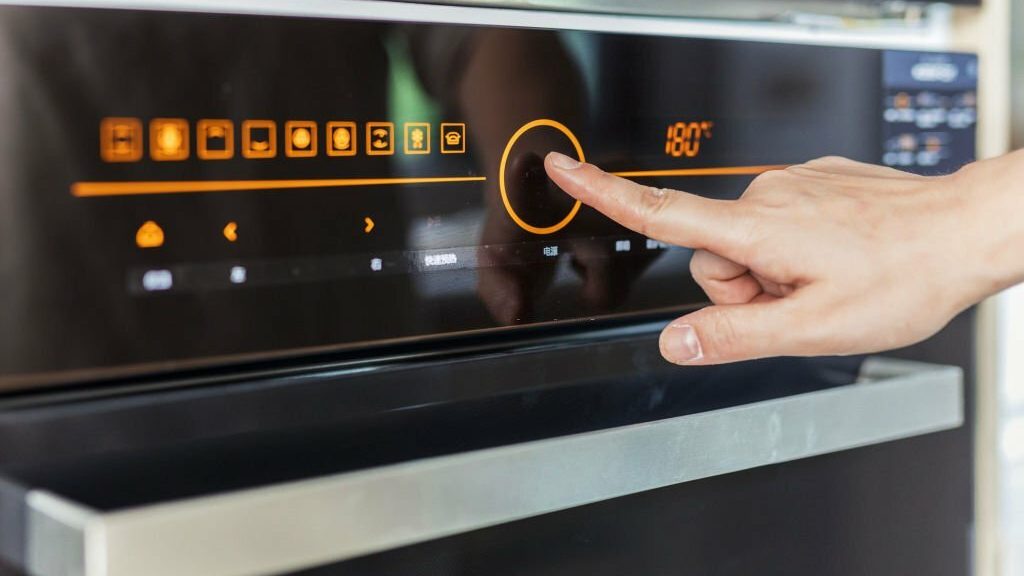
On average, the low setting can reach temperatures between 200-300 degrees Fahrenheit (93-149 degrees Celsius), while the medium setting can range from 300-400 degrees Fahrenheit (149-204 degrees Celsius).
As mentioned earlier, the highest setting or “high” on an electric stove can reach a maximum of 500-600 degrees Fahrenheit (260-315 degrees Celsius).
Must Read: How to Fix Injector Circuit Malfunction?
Electric Stove Top Temperatures:
Most stove knobs that control the electrical coil heating elements are marked with the low, medium, and high settings.
Some electric stoves may also have specific temperature indicators or numbers for more precise temperature control.
Factors That Affect Stove Top Temperatures:
The maximum heat output of an electric stove can be affected by various factors, such as:
- Cookware Material: The type of material used in your cookware can affect how quickly it heats up and holds heat. For example, aluminum cookware can heat up faster than stainless steel.
- Cookware Size: The size of your cookware and the heating element can also impact temperature. Smaller pans may heat up more quickly, while larger ones may take longer.
- Stovetop Design: Different electric stoves may have varying designs that can affect how heat is distributed and maintained on the surface.
- High Altitude: If you live in a high altitude region, the lower air pressure can impact temperature readings, causing your electric stove to reach higher temperatures than expected.
Safety Precautions:
Electric stoves can get quite hot, so taking safety precautions is crucial. Some tips to keep in mind include:
- Use oven mitts or potholders when handling hot cookware.
- Avoid leaving the stove unattended while cooking.
- Keep flammable objects away from the stovetop.
- Clean spills and debris off the stovetop to prevent fire hazards.
Conclusion:
Electric stoves reach temperatures of up to 500-600 degrees Fahrenheit (260-315 degrees Celsius) on their highest setting.
However, this temperature can vary depending on cookware material and size, stovetop design, and altitude.
Taking safety precautions when using an electric stove is essential to prevent accidents and maintain longevity.
With the convenience of precise temperature control, electric stoves are a popular choice for cooking in many households.
So, the next time you turn on your electric stove, remember it can get hot!
So, always handle it carefully and enjoy your delicious meals cooked at the right temperature. Happy Cooking!