Baseboards are an essential part of every home interior. They provide a finishing touch to the walls and protect them from damage.
Installing baseboards requires precision, and choosing the right nail size is essential for its stability and visual appeal.
However, when it comes to installing baseboards, one of the most common questions that many people have is what size Brad nails for baseboards should be used for securing them.
Based on nail size, you should be looking for anything between 15 gauge and 18 gauge. In this guide, we’ll explore the factors to consider when selecting the appropriate nail size for your baseboard installation.
We’ll discuss the different nail types available, the thickness of your baseboard, and the type of wall you’re working with. So, let’s jump right in!
Understanding the Role of Nails in Baseboard Installation
Nails are used to secure baseboards in place and provide a clean finish. They also help prevent movement or gaps between the baseboard and the wall after installation.
Nails can be driven through the baseboard directly into the studs of your wall, or they can be angled to attach to the drywall. The thickness of your baseboard will determine the length and width of the nail required for proper installation.
Must Check: How To Drill Into Marble?
Factors to Consider When Choosing Nail Size for Baseboards
There are several factors that you should consider when selecting the right nail size for your baseboard installation.These include:
1. Baseboard thickness:
The thickness of your baseboard will determine the length and width of nails required for installation.
Thicker baseboards will require longer and broader nails, while thinner baseboards can be secured with shorter and narrower nails.
2. Type of wall:
The type of wall you’re working with also plays a significant role in determining the nail size.
If you have drywall walls, then using shorter or angled nails is recommended to avoid damaging the wall. However, if you have wooden walls, longer and straight nails can be used.
3. Baseboard Material:
The type of material your baseboards are made of can also affect the choice of nail size. For softer materials like pine or MDF, thinner and shorter nails are recommended to prevent splitting.
More complex materials like oak or maple may require thicker and longer nails for proper installation.
4. Location of Installation:
Where you’re installing the baseboards also plays a role in determining the appropriate nail size.
For example, if your baseboards are being installed in high-traffic areas such as hallways or entryways, using longer and thicker nails will provide extra stability to withstand frequent use.
What Size Nails for Baseboard Trim?
The size of nails you need for baseboard trim can vary depending on the thickness of the baseboard and the material it’s made from.

In general, the most common question that comes to mind is what size finish nails for baseboard?
And the answer is 15 gauge or 16 gauge finish nails. These are ideal for securing trim pieces to your baseboard and provide a clean, professional look.
It’s essential to make sure the nail heads are flush with the surface of the trim to ensure a seamless finish.
To make it easier, think of it this way.
- Finish nailers: 15 gauge and 16 gauge nailers are ideal for trim work, including baseboards. They have a smaller diameter and leave a smaller hole, making them less noticeable.
- Brad nailers: 18 gauge Brad nailers are great for attaching baseboards to the wall. These nails are thinner and create smaller holes, but they may provide less stability compared to finished nails.
- Pinner or micro pinners: 23 gauge pinners are the thinnest and produce the smallest holes, making them perfect for delicate trim work. However, they may need to be stronger to secure baseboards in place.
1. 15 Gauge Finish Nailer
A 15 gauge finish nailer is the most commonly used for installing baseboards. These nails have a larger diameter and provide more holding power compared to smaller gauges.
They’re also less likely to split the baseboard material, making them a popular choice among DIYers and professionals alike.
2. 16 Gauge Finish Nailer
A 16 gauge finish nailer is slightly thinner than a 15 gauge but still provides enough holding power for baseboard installation.
They’re smaller in diameter, leaving smaller holes that are easier to conceal.
If you’re working with thinner or softer baseboard materials, a 16 gauge finish nailer may be a better option.
3. 18 Gauge Brad Nailer
An 18 gauge brad nailer is a versatile tool that can be used for attaching baseboards to walls. They’re thinner than finish nailers and create smaller holes, but they may provide less holding power.
It’s important to use longer nails when working with an 18 gauge Brad nailer for thicker or harder baseboard materials.
4. 23 Gauge Pinner or Micro Pinner
A 23 gauge pinner or micro pinner is best used for delicate trim work. It may not provide enough holding power for baseboards.
However, they’re perfect for attaching small trim pieces to your baseboards and leave almost invisible holes.
Must Check: How To Drill Into Brick Without Cracking It?
Consequences of Using the Wrong Nail Size
Using the wrong nail size for your baseboard installation can lead to several consequences, such as:
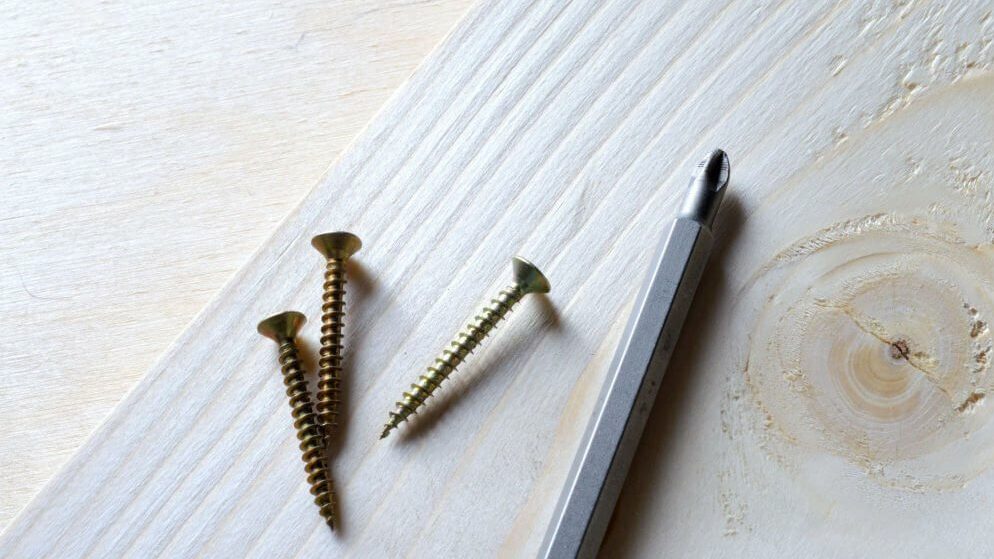
- Splitting: Using nails that are too thick or long for the baseboard material can cause it to split, ruining the appearance and stability of your installation.
- Uneven surface: If you use nails that are too short, they may not hold the baseboards in place properly, resulting in an uneven surface or gaps between the baseboard and wall.
- Damaged walls: Using nails that are too long or angled can cause damage to drywall walls, leading to costly repairs.
- Unstable installation: Using nails that are too thin or short may not provide enough holding power, resulting in an unstable baseboard installation that can easily become loose over time.
How To Nail a Baseboard?
When nailing a baseboard, follow these steps for proper installation:
1. Measure and cut the baseboard: Use a tape measure to measure the length of the wall where you will be installing the baseboard. Cut the baseboard at a 45-degree angle using a miter saw or hand saw.
2. Pre-drill holes: If you’re working with hardwood baseboards, it’s recommended to pre-drill holes using a drill bit slightly smaller than the nail size. This will prevent splitting and ensure a smooth installation.
3. Align and secure: Hold the baseboard in place against the wall, making sure it is level. Use finished nails and a hammer or nail gun to secure the baseboard to the wall. For longer baseboards, it may be necessary to use additional nails for extra support.
4. Fill holes and paint: Once all the baseboards are installed, fill any nail holes with wood filler and sand smooth. Then, paint or stain the baseboards to your desired finish.
Size Nail for Baseboard FAQs
Can I Use Wood Glue Instead of Nails for Baseboard Trim?
While wood glue can provide extra stability, it is not recommended as the sole method of securing baseboards. Nails or brad nails are necessary to hold the baseboards in place properly.
How Far Apart Should Nails be Placed When Installing Baseboards?
Nails should be placed every 12-16 inches along the length of the baseboard for optimal stability.
Do I Need to Use a Nail Gun for Baseboard Installation?
While a nail gun can make the process faster and easier, you can also use a hammer and finish nails for proper installation.
Can I Use Different Nail Sizes for Different Types of Baseboard Materials?
It is recommended to use the same size nails for all baseboard materials to ensure a consistent and stable installation.
Bottom Line:
Using the right nail size for your baseboard installation is crucial for a professional and stable finish. Consider the thickness and material of your baseboards, as well as the location of installation, when choosing the appropriate nail size.
Always remember to correctly measure and pre-drill holes before securing the baseboards in place. With these tips in mind, you can successfully install beautiful baseboards in your home. Happy renovating!